How to Design a 2026 Living Room: Curated Comfort and Sculptural Forms
In 2026, living rooms are transforming into personal galleries, moving beyond showroom perfection to embrace curated comfort, rich tactile materials, and sculptural forms. This guide explores how to design spaces that are deeply authentic, inviting, and reflective of individual stories.

The Personal Gallery: Crafting Intentional Spaces
The living room of 2026 is shedding its role as a mere display area, evolving into what San Francisco-based designer Anu Jain describes as a "personal gallery." This shift moves us from efficiency to enchantment, from convenience to composition. The goal is to create spaces that are expressive, emotionally resonant, and layered with artisanal pieces, inviting occupants to linger rather than just pass through. Post-pandemic, there's a profound desire for living rooms to be the soul of the home, fostering connection and comfort. This means moving away from monolithic furniture sets and towards intentional layouts that encourage interaction and relaxation.
Forget the perfectly coordinated, showroom-esque schemes that once dominated. The modern living room embraces a "balanced maximalism"—expressive yet controlled, personal yet intentional. It's about creating a space that feels collected over time, telling a story rather than simply showcasing a catalog of products. This approach prioritizes comfort over formality, with plush cushions, soft throws, and inviting shapes replacing stiff, unapproachable styling.
A Palette of Depth and Tactility
Color palettes for 2026 are moving away from stark, overly bright hues and even the once-ubiquitous lackluster neutrals like beige and taupe. Instead, we're seeing a resurgence of earth-derived palettes, reinvented with complexity and nuance. Think rich chocolate browns, deep burgundies, and warm, grounded tones that create a cocoon-like atmosphere. These moody hues pair beautifully with natural materials, offering a sophisticated backdrop for layered design.
Tactility is paramount. People are gravitating towards materials that feel natural, lived-in, and authentic. Honed stone, limewash, textured plaster, unlacquered metals, and aged wood are becoming foundational elements. Linen with visible texture adds softness, while woven elements—from baskets and lighting to furniture—are no longer just decorative accents but integral to the design, adding warmth and depth. Tone-on-tone layering within these rich palettes and varied textures is particularly effective in creating serene yet elevated environments.
Sculptural Forms and Intentional Layouts
The sharp, rigid lines of previous decades are giving way to a softer, more fluid aesthetic. Sculptural and organic shapes are key, adding movement and artistic flair. Curved silhouettes are gaining popularity in sofas, armchairs, tables, and even shelving, visually softening the room. These fluid forms guide the eye gently, creating a calmer and more inviting atmosphere. Curved sofas, rounded coffee tables, and sculptural lighting are becoming common features, complementing other styles and elevating the overall feel.

Beyond individual pieces, the layout itself is intentional. Overbearing sectionals are being replaced by more sculptural sofas dressed in luxurious mohair and velvets, encouraging more intimate seating arrangements. The television, once the undisputed focal point, is becoming less central, allowing for layouts that promote conversation and connection. Consider incorporating a home bar or "wet bar" – perhaps a closet cleverly converted – to enhance the living room's role as an entertaining hub, further shifting focus from passive viewing to active engagement.
The Art of Layering and Storytelling
The living room of 2026 is a testament to the power of curated layering. Antiques and vintage furniture are not just accents; they are often the foundation of the design. A pre-loved, patinated piece instantly adds depth and warmth that cannot be replicated by new items. This appreciation for decorating with vintage, combined with a move away from perfectly matched sets, allows for mismatched furniture—be it side tables, armchairs, or even different styles of sofas—to add character and individuality.
Statement coffee tables are taking on a stronger visual role, acting as anchors for the room. Larger or more textured tables, often crafted from organic materials, reduce the need for excessive decor, allowing the table itself to be a sculptural element. Layered rugs further enhance warmth and depth, defining zones and adding another tactile dimension to the space. This approach to layering, from foundational vintage pieces to tactile accents, ensures that every element contributes to a cohesive narrative, making the living room truly unique and reflective of its inhabitants.
Designing for Enduring Authenticity
Ultimately, the living room trends for 2026 highlight a collective desire for warmth, craftsmanship, and authenticity. It's about creating spaces that are enduring, adaptable, and deeply connected to how people actually live. By embracing personalized curation, rich tactile palettes, sculptural forms, and thoughtful layering, designers and homeowners can craft living rooms that are not just beautiful, but truly resonant—sanctuaries that invite you to sit, sip, and stay awhile.
Further reading
Related articles

The Integrated Gaze: Redefining the Television's Role in Modern Living Spaces
The ubiquitous television presents a persistent design challenge in contemporary living rooms. This article explores how designers are moving beyond the TV as a mere appliance, integrating it seamlessly into spaces through strategic placement, clever concealment, and multi-functional design, ensuring it complements rather than dominates the room's aesthetic and function.
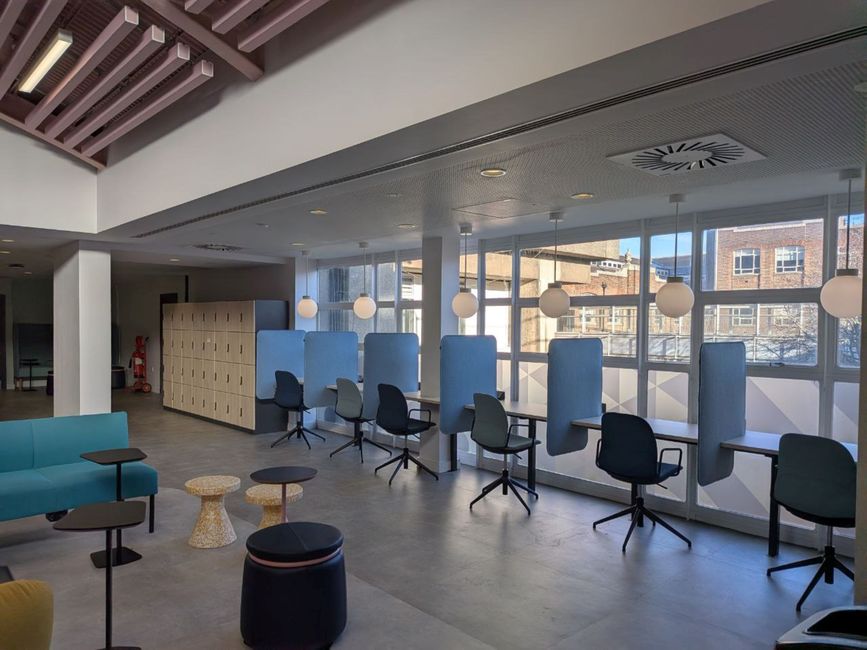
Designing for Every Mind: The Neuroinclusive Office Trades One Room for a Spectrum of Sensory Zones
Roughly one in five workers is neurodivergent, and the uniform open plan quietly taxes them all. Neuroinclusive design answers with a calibrated spectrum of sensory zones — and a business case that benefits everyone.