The Curated Kitchen: Crafting Spaces of Intentional Living
Modern kitchen design is no longer just about cooking; it's about crafting a deeply personal and functional space. This profile explores how designers are transforming kitchens into curated sanctuaries through smart layouts, bespoke storage, layered lighting, and expressive materiality.

The Curated Kitchen: Crafting Spaces of Intentional Living
For decades, the kitchen has been lauded as the "heart of the home," a place for sustenance and gathering. Yet, the contemporary understanding of this vital space has evolved far beyond mere functionality. Today, designers and homeowners alike are embracing a philosophy that transforms the kitchen into a meticulously curated sanctuary—a space of intentional living where every element, from layout to lighting, is thoughtfully considered to reflect personal style and enhance daily rituals. This isn't just about aesthetics; it's about creating an environment that is as deeply personal and comfortable as it is efficient and beautiful.
Beyond the Work Triangle: Smart Layouts and Zones
While the classic work triangle (sink, stove, refrigerator) remains a foundational principle, modern kitchen design extends this concept to embrace more dynamic and flexible layouts. L-shaped, U-shaped, and galley kitchens are optimized for flow, particularly in smaller footprints. However, the true innovation lies in the creation of distinct functional zones. Imagine a dedicated baking station with a marble-topped baker's table, or a hidden coffee bar that emerges from behind sleek panels. This approach allows for specialized activities without cluttering the main prep areas, ensuring a seamless and enjoyable culinary experience. For those with ample space, even considering removing walls to accommodate a substantial island can redefine the room, transforming it into a central hub for cooking, dining, and socializing.
The Art of Storage: Ditching Doors, Embracing Drawers
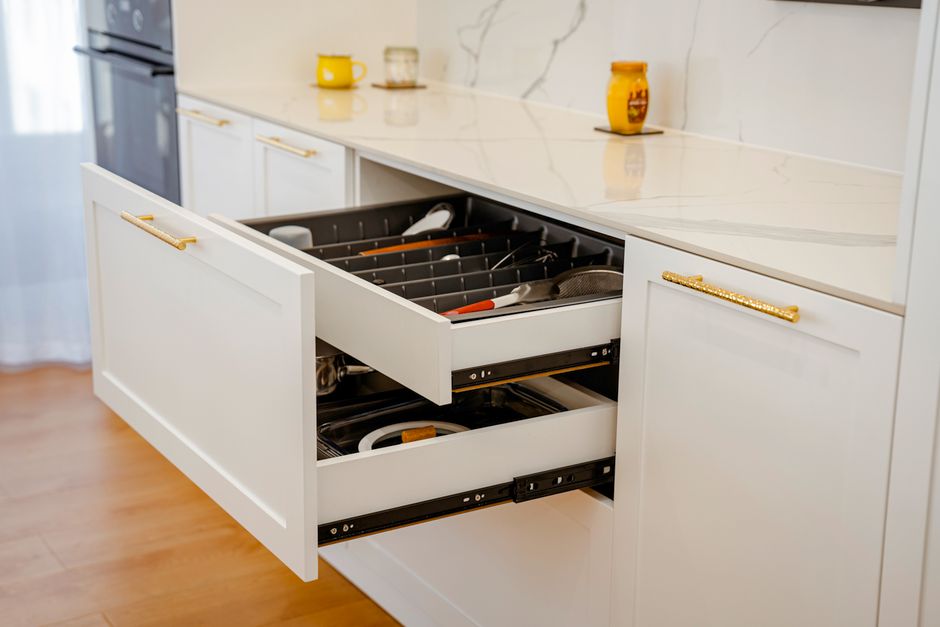
One of the most impactful shifts in kitchen design is the re-evaluation of storage. Traditional lower cabinets with hinged doors are increasingly giving way to deep, custom-fitted drawers. These offer unparalleled functionality, allowing for multiple levels of organization and easy access to contents, from pots and pans to pantry staples. This move not only maximizes storage capacity but also improves ergonomics, reducing the need to bend and reach into dark recesses. Beyond drawers, designers are exploring unexpected storage solutions: toe-kick drawers, slim pull-out pantries, and extending upper cabinets to the ceiling to draw the eye upward and create an illusion of greater height and space. Integrated appliance garages and "camouflage kitchens" that conceal small appliances behind seamless panels further contribute to a clean, uncluttered aesthetic, freeing up valuable counter space.
Layered Illumination: Setting the Mood
Lighting is no longer an afterthought but a critical design element that shapes the kitchen's ambiance and functionality. Moving beyond simple overhead fixtures, contemporary kitchens employ a sophisticated layering of light. This includes task lighting (under-cabinet strips, recessed lights over work zones), ambient lighting (ceiling fixtures, cove lighting), and accent lighting (pendant lights over islands, picture lights, wall sconces, and even small table lamps on countertops). Soft mood lighting, in particular, is essential for creating a relaxing evening vibe, transforming the kitchen from a utilitarian space into a warm, inviting haven. Reflective surfaces like glossy cabinet fronts, metallic appliances, and strategically placed mirrors can further enhance brightness and openness, bouncing natural light around the room.
Materiality and Personal Expression
The curated kitchen is a canvas for personal expression, where materiality plays a pivotal role. Color palettes are becoming more adventurous, moving beyond sterile whites to embrace rich hues like Edward Bulmer's 'Jonquil' or Farrow & Ball's 'Preference Red' for cabinetry, often paired with contrasting wall colors or patterned tiles. Textural elements are layered to create depth and warmth—think natural wood, stone countertops, and artisanal plaster finishes. Displaying personal collections, whether it's pottery, unique art, or vibrant florals, adds character and a lived-in feel. This approach moves away from a purely functional aesthetic towards one that celebrates individual taste and history.
The Bespoke Touch: Islands, Alcoves, and Unique Details
What truly elevates a kitchen from functional to curated is the inclusion of bespoke elements. A custom-designed island, perhaps a substantial walnut piece or an antique-inspired baker's table with a marble slab, can become the room's focal point. Carving out an alcove for the range creates a sense of architectural grandeur. Mirrored panels can mimic the elegance of glass cabinet doors while adding a touch of glamour and reflecting light. Even subtle details, like custom joinery that maximizes every inch of space or cafe blinds that offer privacy without sacrificing natural light, contribute to a sense of thoughtful design and personalization. These unique touches ensure that no two curated kitchens are alike, each reflecting the distinct personality and lifestyle of its occupants.
The Kitchen as a Living Space
Ultimately, the curated kitchen embodies a shift in how we perceive and interact with our homes. It's a space that seamlessly blends high-performance functionality with deeply personal aesthetics, inviting both culinary exploration and comfortable social interaction. By embracing smart design principles—from intelligent storage and layered lighting to expressive materiality and bespoke details—designers are crafting kitchens that are not just places to cook, but true living spaces, rich with character, comfort, and intentionality.
Further reading
Related articles

The Digital Blueprint: Mastering Online Bathroom Design Tools
Online bathroom design tools are transforming how we plan and visualize renovations. This guide explores how these platforms empower designers and homeowners to create precise, immersive, and customizable bathroom layouts from concept to final render.

The Democratic Canvas: How IKEA Kitchens Became a Designer's Secret Weapon
IKEA kitchens have transcended their utilitarian origins to become a sophisticated design tool. This profile explores how designers and homeowners leverage IKEA's accessible framework, expert services, and a vibrant 'hacking' culture to create truly bespoke, high-end culinary spaces.