The Tactile Turn: Designing Interiors for Human Connection in a Digital Age
As digital fatigue sets in, interior design is pivoting towards spaces that prioritize tactile engagement, high-quality materials, and subtly integrated technology. Discover how to create intuitively functional and deeply comforting environments by embracing a human-centric approach.

The Tactile Turn: Designing Interiors for Human Connection in a Digital Age
In an era saturated with screens and digital interfaces, a quiet revolution is underway in design. Just as Audi is rethinking its car interiors, scaling back on overwhelming displays in favor of physical controls and richer materials, the world of interior design is also experiencing a significant pivot. This shift, which Audi dubs "Strive For Clarity" or "The Radical Next," isn't just about aesthetics; it's about reclaiming human connection and intuitive interaction within our most personal spaces. For designers and homeowners alike, this presents an opportunity to craft environments that are not only beautiful but also deeply comforting and inherently functional.
Subtlety Over Spectacle: Integrating Technology Thoughtfully
The allure of the "smart home" once promised a future dominated by glowing screens and voice commands. While technology undeniably enhances modern living, the pendulum is now swinging towards integration that is subtle, almost invisible. Instead of large, imposing displays that demand attention, consider how digital elements can recede into the background when not in use.
Think about media walls where the television is seamlessly flush with custom millwork, or even hidden behind sliding panels or artwork. Smart home controls can be integrated into elegant, minimalist keypads that blend with wall finishes, or managed via discreet apps on personal devices rather than dedicated wall-mounted tablets. The goal is to reduce visual clutter and cognitive load, allowing the technology to serve the space, rather than define it. This approach fosters a sense of calm and allows the eye to rest on architectural details, art, or natural views, rather than being constantly drawn to a digital glow.
The Return of the Tactile: Embracing Physicality
One of the most compelling aspects of Audi's new direction is the reintroduction of physical buttons and haptic feedback. This resonates deeply with a growing desire for tactile experiences in our homes. After years of smooth, unresponsive touchscreens, there's a renewed appreciation for the satisfying click of a well-made switch, the smooth turn of a solid knob, or the reassuring weight of a metal lever.
This isn't about rejecting modernity; it's about enhancing it. Consider the impact of choosing high-quality, physical controls for lighting, climate, or even integrated audio systems. A beautifully crafted dimmer switch in brushed brass or a substantial ceramic toggle can transform a mundane interaction into a moment of sensory pleasure. These elements become small, functional sculptures within the space, inviting interaction and grounding the user in their environment. They offer immediate, intuitive feedback that digital interfaces often struggle to replicate, reducing frustration and enhancing the overall user experience.

Material Matters: Elevating the Everyday
Audi's commitment to "nicer materials, including real metal" is a direct call to action for interior designers. The choice of materials profoundly impacts the sensory experience and perceived quality of a space. Moving beyond synthetic finishes and mass-produced plastics, there's a strong emphasis on natural, durable, and authentic materials.
Imagine countertops of honed natural stone, cabinetry crafted from solid wood with visible grain, or textiles woven from linen, wool, and cotton. These materials not only age gracefully but also offer a rich tactile experience – the cool smoothness of marble, the warmth of oak, the soft texture of a boucle fabric. Incorporating real metals like brass, bronze, or steel for hardware, fixtures, and accents adds a layer of timeless sophistication and durability. This focus on material integrity contributes to a sense of permanence and luxury, creating spaces that feel grounded, authentic, and built to last. It’s an investment in longevity and a rejection of disposable design.
Designing for Intuition: Clarity and Comfort
Ultimately, the "Strive For Clarity" philosophy in interior design is about creating spaces that are intuitively functional and deeply comfortable. When technology is subtly integrated, physical controls are thoughtfully placed, and materials are chosen for their inherent quality, the result is an environment that feels effortless to inhabit.
A clean, minimal layout, as described in Audi's design philosophy, reduces distraction and fosters a sense of calm. Controls are where you expect them, surfaces invite touch, and the overall ambiance supports well-being. This human-centric approach acknowledges that our homes are sanctuaries, not just showcases for the latest gadgets. By prioritizing sensory experience, intuitive interaction, and enduring quality, designers can craft spaces that truly resonate with their occupants, offering a refuge from the digital noise and a foundation for genuine connection.
Crafting Timeless, Human-Centric Interiors
The shift away from screen-dominated interiors towards a more tactile, material-rich, and subtly integrated approach is more than a passing trend; it's a thoughtful evolution in how we interact with our built environments. By embracing physical controls, investing in high-quality natural materials, and integrating technology with discretion, designers and homeowners can create spaces that are not only aesthetically pleasing but also deeply functional, intuitively navigable, and profoundly comforting. This "Radical Next" in interior design promises homes that truly serve their inhabitants, fostering clarity, connection, and enduring beauty.
Further reading
Related articles

The Integrated Gaze: Redefining the Television's Role in Modern Living Spaces
The ubiquitous television presents a persistent design challenge in contemporary living rooms. This article explores how designers are moving beyond the TV as a mere appliance, integrating it seamlessly into spaces through strategic placement, clever concealment, and multi-functional design, ensuring it complements rather than dominates the room's aesthetic and function.
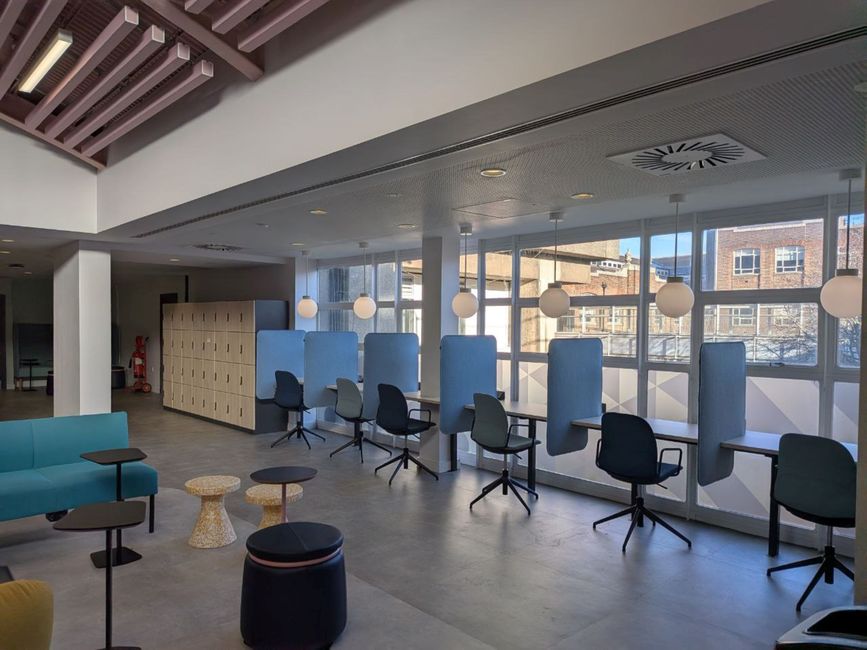
Designing for Every Mind: The Neuroinclusive Office Trades One Room for a Spectrum of Sensory Zones
Roughly one in five workers is neurodivergent, and the uniform open plan quietly taxes them all. Neuroinclusive design answers with a calibrated spectrum of sensory zones — and a business case that benefits everyone.